Peer Benchmarking

Peer benchmarking is a key practice in sustainability management where organizations compare their environmental performance against similar companies in their industry or region. This strategic approach helps organizations identify performance gaps, set realistic targets, and adopt best practices to improve their sustainability metrics.

Factors Considered

When conducting peer benchmarking, we analyze:

Carbon emissions (Scope 1, 2, and 3 intensity) | Energy use and renewable energy adoption | ESG disclosures (GRI, SASB, CDP, BRSR, TCFD, CSRD)
ESG ratings and rankings (MSCI, Sustainalytics, DJSI, etc.) | Governance practices (board oversight, ethics, diversity) | Resource efficiency (water, waste, circularity)
Supply chain engagement and responsibility | Social impact initiatives (employee well-being, diversity, community programs)

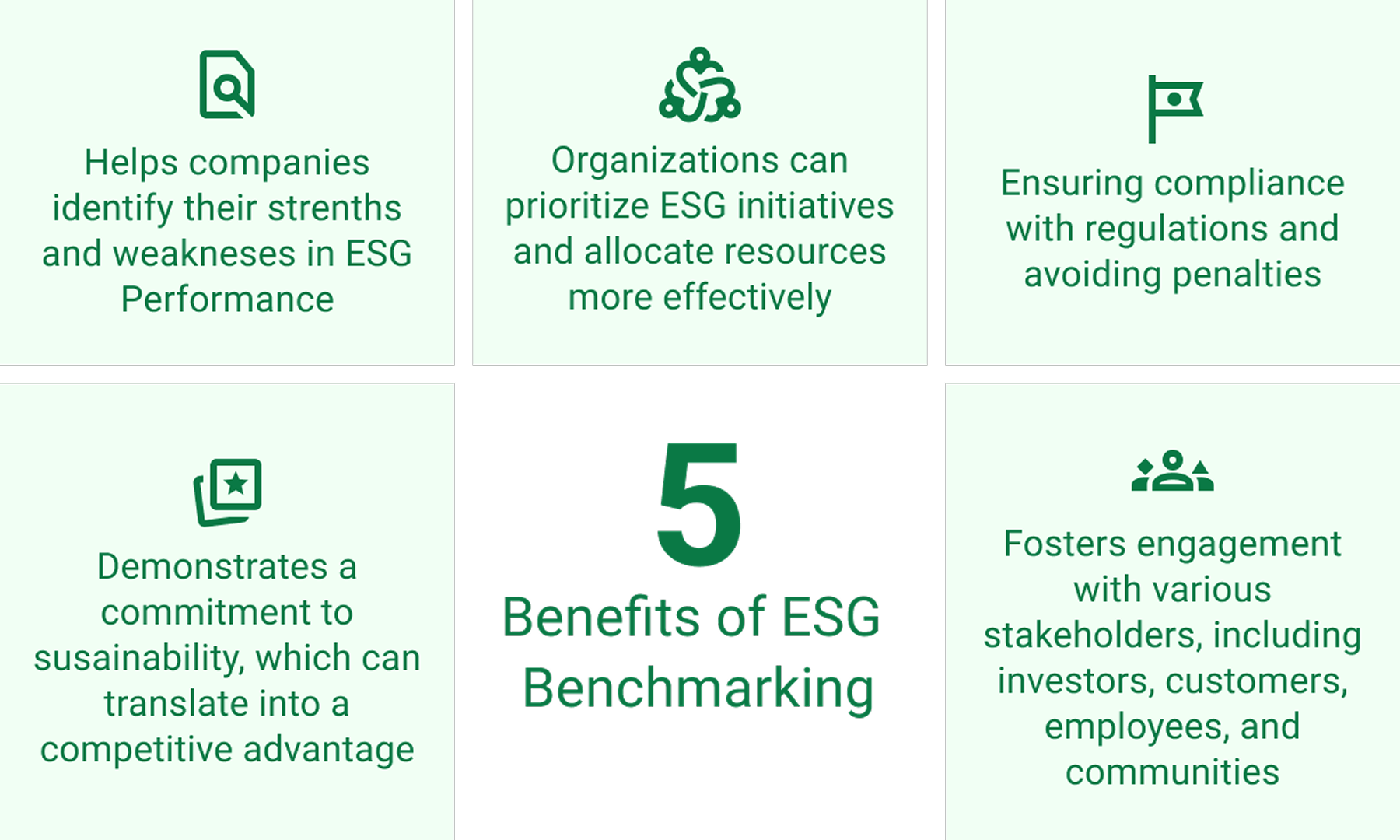
Benefits for Organizations

Gap Identification

Understand where the company lags behind peers

Best Practices Adoption

Learn from industry leaders to strengthen ESG performance

Competitive Advantage

Gain market differentiation by improving sustainability performance

Investor Confidence

Transparent benchmarking builds trust and credibility

Regulatory Readiness

Stay ahead of upcoming policy requirements
Benefits for Organizations

At endecarb, we enable organizations to turn peer insights into actionable strategies, helping them close performance gaps and position themselves as sustainability leaders.